In this guide
Offices, factories and warehouses in Navi Mumbai, from Vashi and Belapur to Airoli, Rabale and Mahape, often need to control who can enter which door. This guide compares the common types of access control so you can choose the right one for your premises.
What access control does
An access control system decides who may open a door and when. It also keeps a record of entries. You can give a worker access to the shop floor but not the server room, or allow cleaners in only during certain hours.
The main options
Keypad (PIN code)
Simple and low in cost. The weakness is that codes get shared or watched. Good for low-risk doors.
Card (RFID)
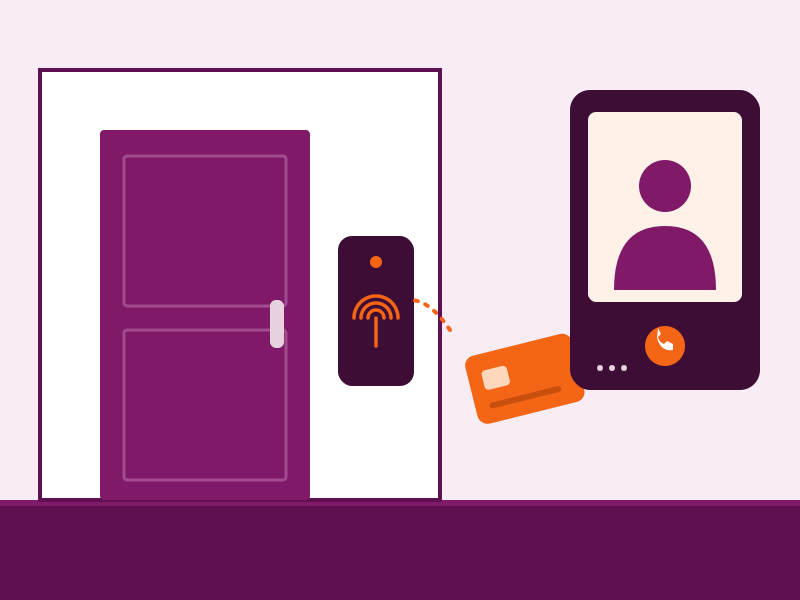
Fast and easy to issue. Cards can be cancelled when lost. The weakness is that a card can be lent to someone else.
Fingerprint
Tied to the person, so it is hard to share. It can struggle with dirty, wet or worn fingers, which matters in factories and workshops.
Face recognition
Touchless and quick, but sensitive to lighting and angles. Think about privacy and how face data is stored.
Combinations
For sensitive rooms, combine two methods, such as card plus fingerprint.
Locks and safety come first
The reader is only half of the system. The lock matters as much:
- Electromagnetic locks hold a door shut with a magnet and release when power is cut.
- Electric strikes release the latch when a valid credential is read.
Whatever you choose, people must be able to get out quickly in an emergency. Use an exit button on the inside, and keep escape routes compliant with fire-safety rules. Discuss this with your installer before the lock is chosen.
Plan before you buy
- List your doors. Mark which need control and which do not.
- Group your people. Staff, managers, contractors, visitors and housekeeping often need different access.
- Set the hours. Decide which groups can enter when.
- Decide on records. Do you need logs, reports or links to attendance?
- Plan the power. Use backup supply for controllers and locks.
Looking after the system
Remove cards and fingerprints when someone leaves, test the system regularly and keep a manual key or override in a safe place. Ask for a written list of who has access to what.
Typical setups by type of premises
- Small office. A single reader at the main door, plus a stronger method for the server or accounts room.
- Factory or workshop. Rugged readers at gates and department doors, with a method that works for workers wearing gloves or with dirty hands.
- Warehouse. Control of dock doors, offices and high-value storage, with entry logs for audit.
- Shared office floor. Different access groups for each tenant, with easy cancellation when someone leaves.
Records, reports and attendance
Most systems log who opened which door and when. Reports can help with attendance, audits and investigations. If you want attendance linked to access, say so early, because it affects the controller and software.
Privacy and data
Fingerprint and face data are personal information. Explain to staff what is collected and why, limit who can view the records, and ask the installer how the data is stored and protected.
Maintenance and support
Readers and locks work all day, so check them regularly. Keep spare cards in stock and a simple process for lost cards. Ask who responds if a door will not open in the middle of the working day.
Combine with CCTV and gates
Access control works well with cameras and entrance gates. Our guides to planning CCTV and choosing an automatic gate may help you plan the whole entry point.
Plan access control for your premises
We install access control systems for offices, workshops, societies and homes in Mumbai, Navi Mumbai and Thane. Book a site visit or read about our access control and video intercom service.
Frequently asked questions
Which is better, fingerprint or card access?
Fingerprints are personal and cannot be passed on, but they can fail with dirty, wet or worn fingers. Cards are quick and easy to issue, but they can be lost or shared. Many offices use cards for general doors and fingerprints or both together for sensitive rooms.
What happens to an electric lock during a power cut?
It depends on the lock type and the backup. Plan for backup power, and make sure people can always leave in an emergency. Exit routes must meet fire-safety requirements.
Can access control be linked to attendance?
Many systems can record entry and exit times, which can be used for attendance. Ask for this at the planning stage so the right software is chosen.
Do we need software for access control?
Basic systems work from a controller, but software makes it easier to add and remove people, set time schedules and see reports. Tell your installer how many people and doors you have.