In this guide
Heavy rain, humidity, wind and power cuts put a lot of stress on outdoor equipment in Mumbai, Navi Mumbai and Thane. A short check before the monsoon can prevent most problems. Use this checklist for your CCTV, gates, door access and solar panels.
Safety first
Only qualified technicians should open electrical equipment. If you see water in a junction box, a smell of burning or damaged wiring, switch off the supply where it is safe to do so, keep away from the area and call a professional. Never touch wet electrical equipment.
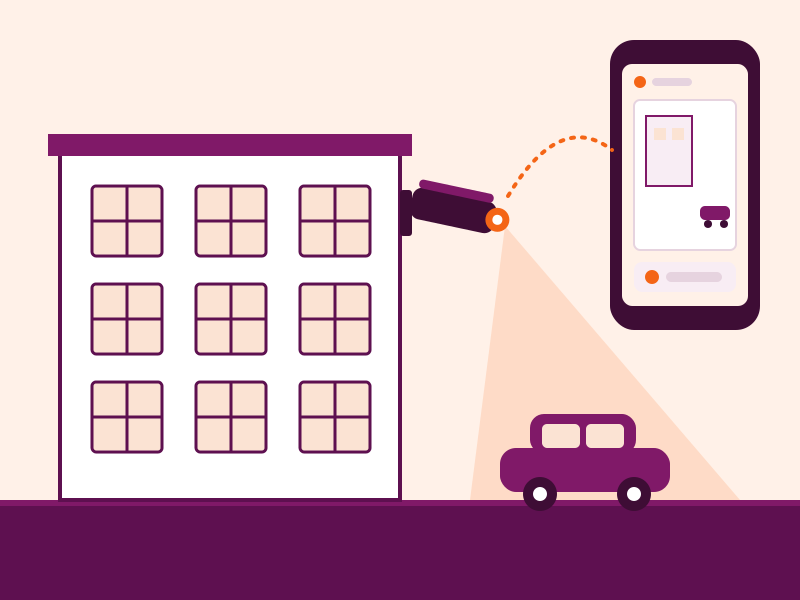
CCTV cameras and recorders
- Check the weather rating of outdoor cameras and make sure the connectors are properly sealed.
- Look at cable joints and junction boxes. They should be closed and dry, and cables should loop downwards before entering a box so water drips off.
- Clean the lens and remove cobwebs, which can trigger false alerts.
- Keep the recorder dry and ventilated, away from damp walls and leaks.
- Use a UPS and surge protection to protect the recorder and router from cuts and spikes.
- Check that recordings are running, and that you can still view the cameras on your phone.
For a fuller guide, read our post on planning CCTV.
Automatic gates
- Clean the track and clear grit, leaves and mud from the drain along a sliding gate.
- Lubricate hinges, rollers and moving parts.
- Treat rust early, and repaint chipped areas.
- Test the manual release, so you can open the gate by hand in a power cut.
- Test the safety sensors and check they are clean and aligned.
- Check the motor cover and seals for cracks.
Read more in our comparison of sliding and swing gates.
Access control and video door phones
- Make sure outdoor readers and door units are rated for rain and sealed against water.
- Test cards, fingerprints and lock release after heavy rain.
- Check that backup power for controllers and locks is working.
- Confirm that exits open freely if power fails, so nobody is trapped.
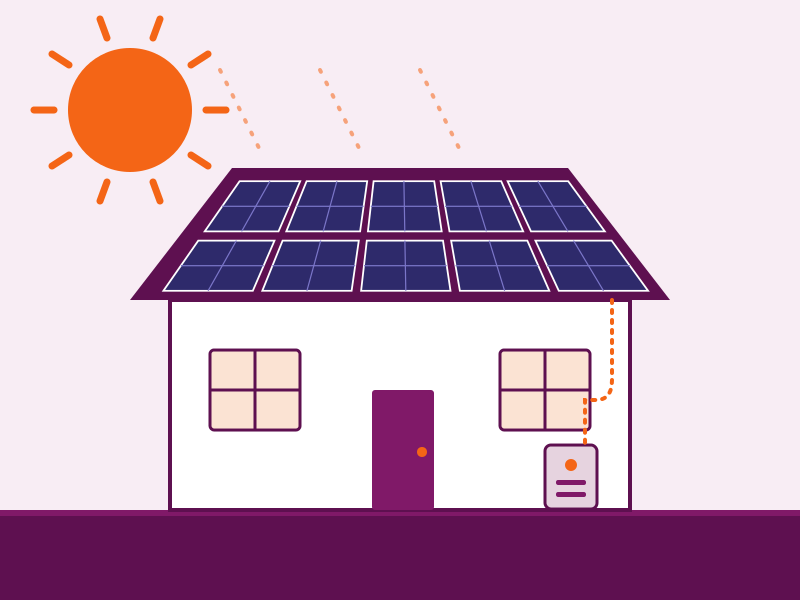
Solar panels and inverters
- Check the mounting structure and fasteners are tight, and look for rust.
- Look for new shade from tree growth or construction nearby.
- Keep the inverter in a shaded, ventilated, dry place.
- Ask a professional to check earthing and protection devices before the season.
- Clean the panels after dry spells, when dust and salt build up.
If you are still deciding on solar, start with our solar installation guide.
A simple pre-monsoon timeline
- Four to six weeks before: inspect everything in daylight, list problems and book repairs.
- Two weeks before: clean, lubricate and seal. Test backups and manual releases.
- After the first heavy rain: check for leaks, blocked drains and any equipment that has stopped working.
- Mid-season: check that recordings, remote viewing and entry systems are still working.
Earthing and lightning
Good earthing protects people and equipment during storms. Ask a qualified electrician or your installer to check the earthing of the recorder, inverter, gate motor and metal structures. Where a building has lightning protection, make sure solar structures and cameras are connected as advised by a professional.
After waterlogging or flooding
- Do not enter standing water near electrical equipment.
- Switch off the supply at the main switch only when it is safe to reach it.
- Do not switch equipment back on until a qualified person has checked it.
- Photograph any damage for your records.
What to ask for in a monsoon check
- A written list of what was checked and what needs repair.
- Replacement of damaged seals, connectors and weak fixings.
- Testing of backups, manual releases and safety sensors.
- Advice on moving equipment that is exposed to water.
Plan for power cuts
A UPS can keep your CCTV recorder and internet router running for a while. A hybrid solar system with batteries can keep essential loads running during longer cuts. This guide explains the differences.
Want it checked professionally?
If you would like an expert to look at your cameras, gates, access control or solar before the rains, book a site visit with Hellik Enterprise. We work across Mumbai, Navi Mumbai and Thane.
Frequently asked questions
Is it safe to use CCTV and electrical equipment during heavy rain?
Properly installed, weatherproof equipment is designed for rain. If you see water inside a junction box or on wiring, switch off the supply where it is safe to do so and call a qualified technician. Never touch wet electrical equipment.
Do solar panels get damaged in the monsoon?
Panels are built to withstand rain. What matters is that the structure is secure against wind, and that the wiring and the inverter are well protected. Have them checked before the monsoon.
Why do cameras and gates fail in the rain?
The common causes are water getting into cable joints, corroded connectors, blocked drains around gate tracks and power surges. Most are preventable with a pre-monsoon check.
How often should CCTV, gates and solar be inspected?
At least once a year, ideally before the monsoon and after any storm or flooding. Busy systems, such as society gates, benefit from more frequent checks.